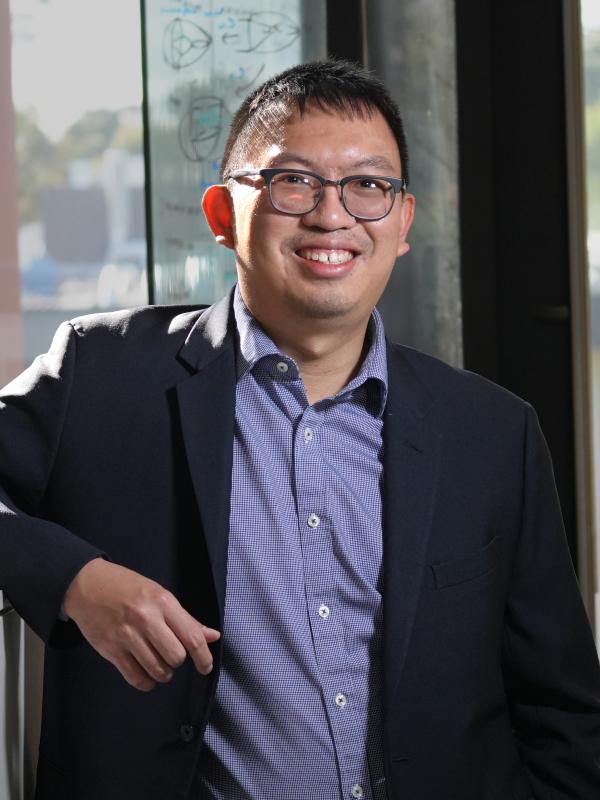
Yuan-Sen Ting
Associate Professor of Astronomy at The Ohio State University
Science stands at an inflection point—AI is rewriting the rules faster than consensus can form. Our work bridges rigorous statistical foundations with the pulse of the AI frontier, from deep learning methods to large language model agents now reshaping how research is done.
Short Bio
I am an Associate Professor of Astronomy at The Ohio State University and Director of CASPER (Computational and Agentic Scientific Practices, Epistemology, and Reasoning)—an initiative bringing together astronomers, physicists, and philosophers to develop AI methods for scientific discovery, and to wrestle with what this means for knowledge itself. When machines help us find answers, what does it mean to understand? This question shapes how I approach research. The goal isn't just to do things faster—it's to find problems that were previously impossible to solve, and to know what we've learned when we solve them.
Finding those problems requires breadth. I've worked across all cosmic scales—exoplanets, stellar astrophysics, star formation, the interstellar medium, galaxy evolution, cosmology—drawing on classical statistics and modern deep learning to develop new approaches to statistical inference and extract insight from large-scale surveys in ways that weren't possible before.
A native of Malaysia, I hold a PhD in astronomy from Harvard (2017), funded by a NASA Earth and Space Science Fellowship, along with concurrent Bachelor's and Master's degrees from the National University of Singapore and École Polytechnique. After my doctorate, I held the NASA Hubble Fellowship, Carnegie-Princeton Fellowship, and Institute for Advanced Study Fellowship—jointly across Princeton, Carnegie, and the Institute—before joining the faculty at the Australian National University and then Ohio State.
I have authored over 240 publications, including work in Nature and Nature Astronomy, and a review on deep learning for the Annual Review of Astronomy and Astrophysics. I wrote the textbook Statistical Machine Learning for Astronomy. My honors include the Alexander von Humboldt Fellowship, the Australian Research Council Discovery Early Career Fellowship, and recognition as a Future Leader by the Association of Universities for Research in Astronomy. I currently chair NASA's AI/ML Science and Technology Interest Group.
Beyond research, I wrote a monthly column for Malaysia's Sin Chew Daily, delivered a TEDx Petaling Street talk on AI and humanity, and have produced educational content for TED-Ed viewed over 4.5 million times.
Research Goals
Stellar Astrophysics
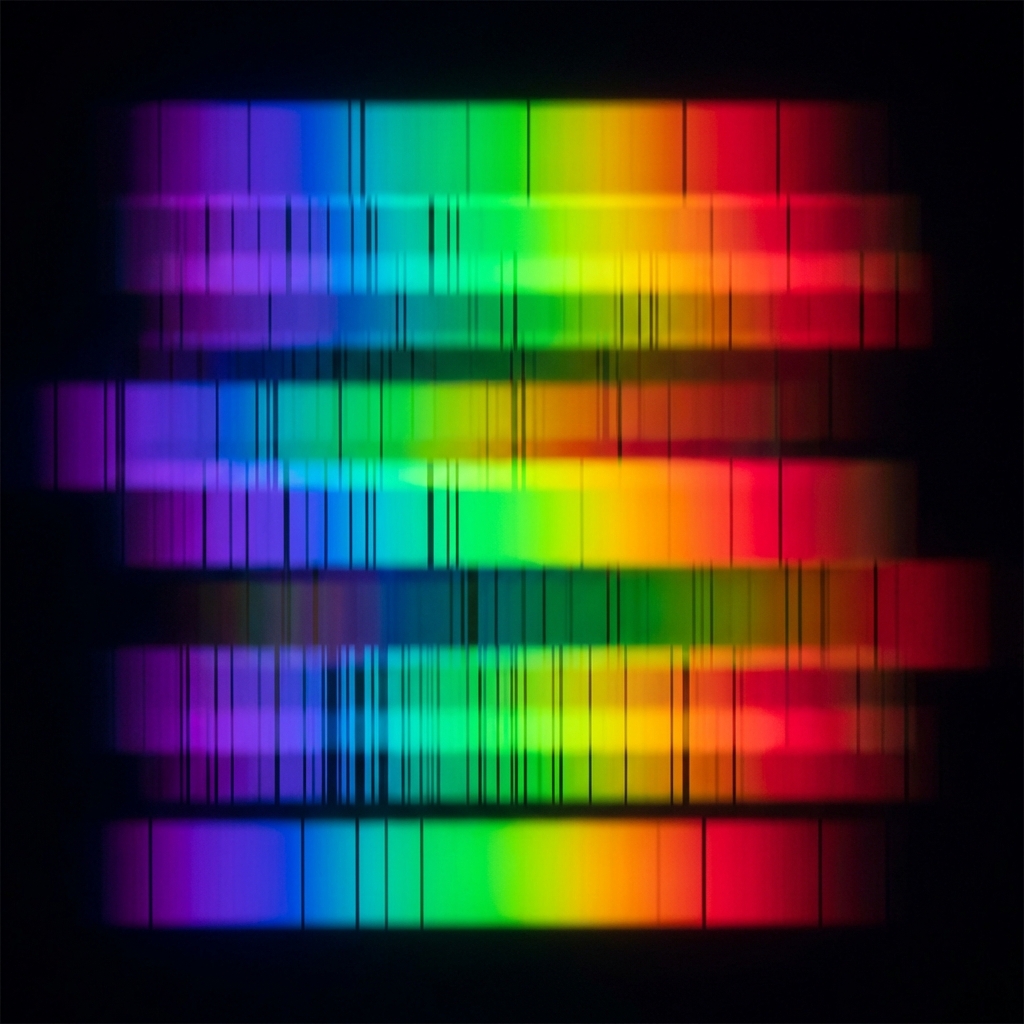
Spectroscopic surveys are now observing millions of stars, but the stellar models used to interpret these data remain bottlenecks—slow, approximate, and not designed for machine learning. We are building a fully differentiable modeling pipeline, from radiative transfer to spectral fitting, so that AI can measure stellar properties at survey scale and, critically, diagnose where the physics itself is incomplete.
View publications
Exoplanets & Planetary Engulfment
Stars born together from the same molecular cloud share identical initial compositions, making co-natal pairs natural controlled experiments. We exploit this to detect chemical signatures of planetary engulfment—constraining how frequently planetary systems undergo dynamical instability, and connecting surface abundance anomalies to the underlying orbital and accretion physics.
View publications
Cosmology & Fundamental Physics
Standard summary statistics discard much of the information in cosmological surveys. We develop interpretable alternatives—wavelet scattering transforms for higher-order statistics, hierarchical Bayesian orbital models for wide binaries—to tighten constraints on dark energy, test modified gravity in the low-acceleration regime, and search for parity violation in large-scale structure.
View publications
Galaxy Evolution & the Milky Way
The chemical abundances and kinematics of stars encode the Milky Way's formation history—mergers, radial migration, gas flows—but disentangling these processes requires jointly modeling chemistry, dynamics, and cosmological context. We develop inference frameworks that reconstruct the Galaxy's assembly from survey data and connect observations to simulations.
View publications
Agentic AI & Scientific Epistemology
The bottleneck for autonomous science is not hypothesis generation but making the broader computational ecosystem—simulation codes, reduction pipelines, analysis tools—agent-ready. We build tool-use agents and active learners that operate end-to-end within real survey infrastructures, and equally study what scientific understanding requires when AI increasingly participates in discovery.
View publications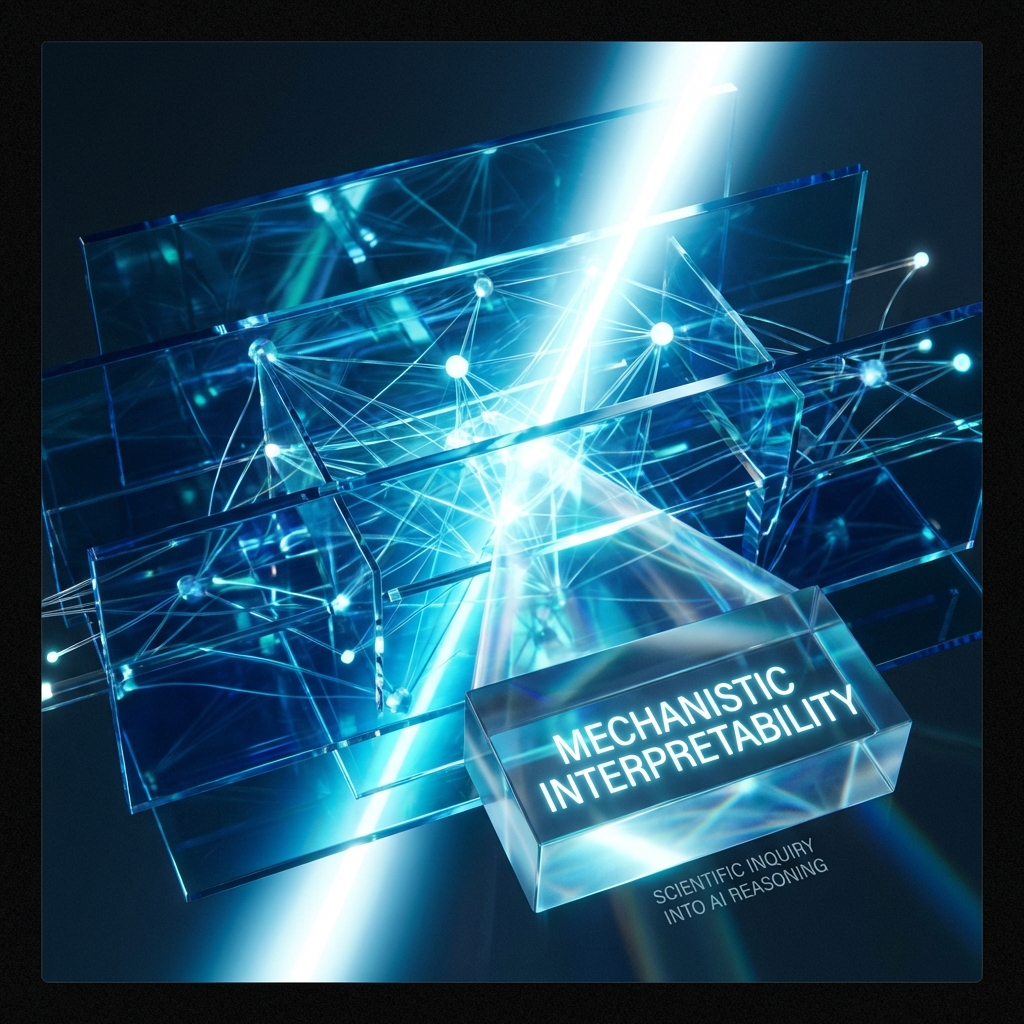
Interpretable AI & Causal Discovery
As models grow more autonomous, interpretability shifts from a diagnostic to a design requirement. We develop mechanistic interpretability to understand what scientific neural networks have actually learned, causal discovery methods that recover physical structure from observational data, and literature-mining systems that predict novel associations—aiming to move AI in science from pattern recognition toward structural understanding.
View publicationsAnnotated Paper Highlights
An ongoing experiment — I am gradually annotating selected papers (with the help of AI) to make them more accessible.
Gravitational Anomaly Measurement in Wide Binaries is Sensitive to Orbital Modeling
Saad & Ting (2026) · SubmittedPDF viewer not available on mobile
Open Annotated PDF
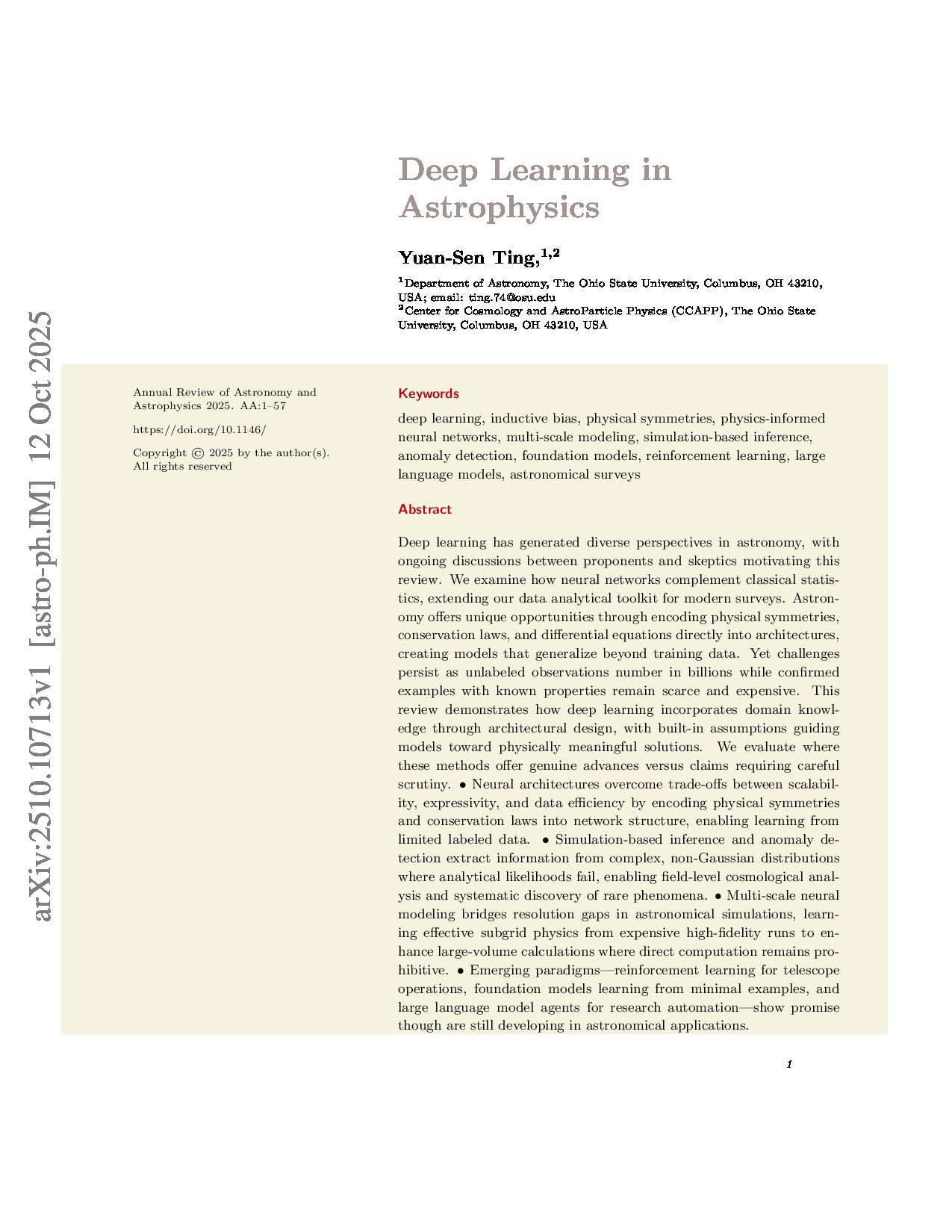
Deep Learning in Astrophysics
Annual Review of Astronomy & Astrophysics
Each year, about a dozen astronomers are invited to summarize key subfields for the Annual Review of Astronomy and Astrophysics. These invitation-only reviews shape how the community understands major topics for years to come.
Writing this review was an opportunity to crystallize my thinking about this field and where it's heading. Responses to deep learning in astronomy range from enthusiastic adoption to skeptical dismissal. The truth lies between extremes. I wanted to offer a clear-eyed assessment: what deep learning offers, where it excels, and where it complements rather than replaces traditional approaches—avoiding both hype and unwarranted dismissal.
Frontier Initiative
To understand and shape how AI is transforming science, I spearheaded this initiative at Ohio State—bringing together astronomers, physicists, and philosophers to build agentic systems, develop new inference methods, and examine the epistemology of AI-assisted discovery.
CASPER Initiative
Computational and Agentic Scientific Practices, Epistemology, and Reasoning
Visit CASPER WebsiteThe Severed Floor
What happens when you sever 21 astronomers and let their AI innies discuss the daily arXiv on a pixel-art floor? An April Fools' paper that is also a real, deployed system—a playful exploration of multi-agent scientific discourse, epistemic identity, and what your publication record says about you, inspired by Apple TV's Severance.
Read the April Fools' paper (arXiv:2603.29771) →The Severed Floor
AI agents discussing the daily arXiv in a pixel-art simulation of McPherson Laboratory
Watch the ReplayCommunity Leadership
Beyond my own research, I have increasingly taken on leadership roles with the National Science Foundation (NSF) and NASA to help shape how the astronomy community engages with AI—defining strategic priorities and building capacity across the field.
NSF Workshop
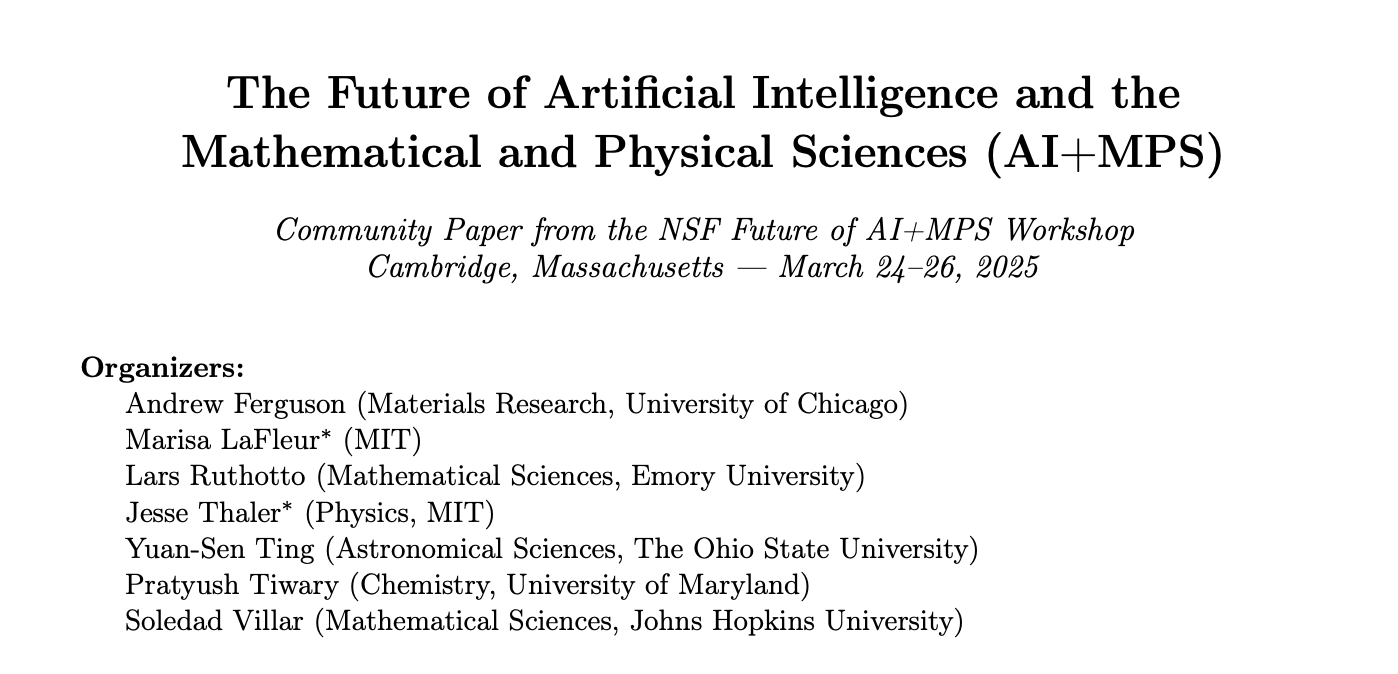
Future of AI and the Mathematical & Physical Sciences
Selected by NSF to lead the astronomical sciences contribution to this multidisciplinary workshop, which brought together 60 leaders across the mathematical and physical sciences to define strategic priorities for AI. The resulting white paper outlines how astronomy can both capitalize on and contribute to AI for scientific discovery.
Read White PaperNASA Cosmic Origins Program
AI/ML Science & Technology Interest Group
AI is a disruptive force reshaping how research is done—and the astronomy community needs to be ready. As inaugural chair of NASA's AI/ML Science and Technology Interest Group, I help upskill researchers through structured, domain-specific AI education for astronomical research contexts.
Visit Program Website
Teaching & Textbooks
My teaching focuses on data analysis and machine learning—from freshman-level introductory coding to graduate-level statistical inference and data science.
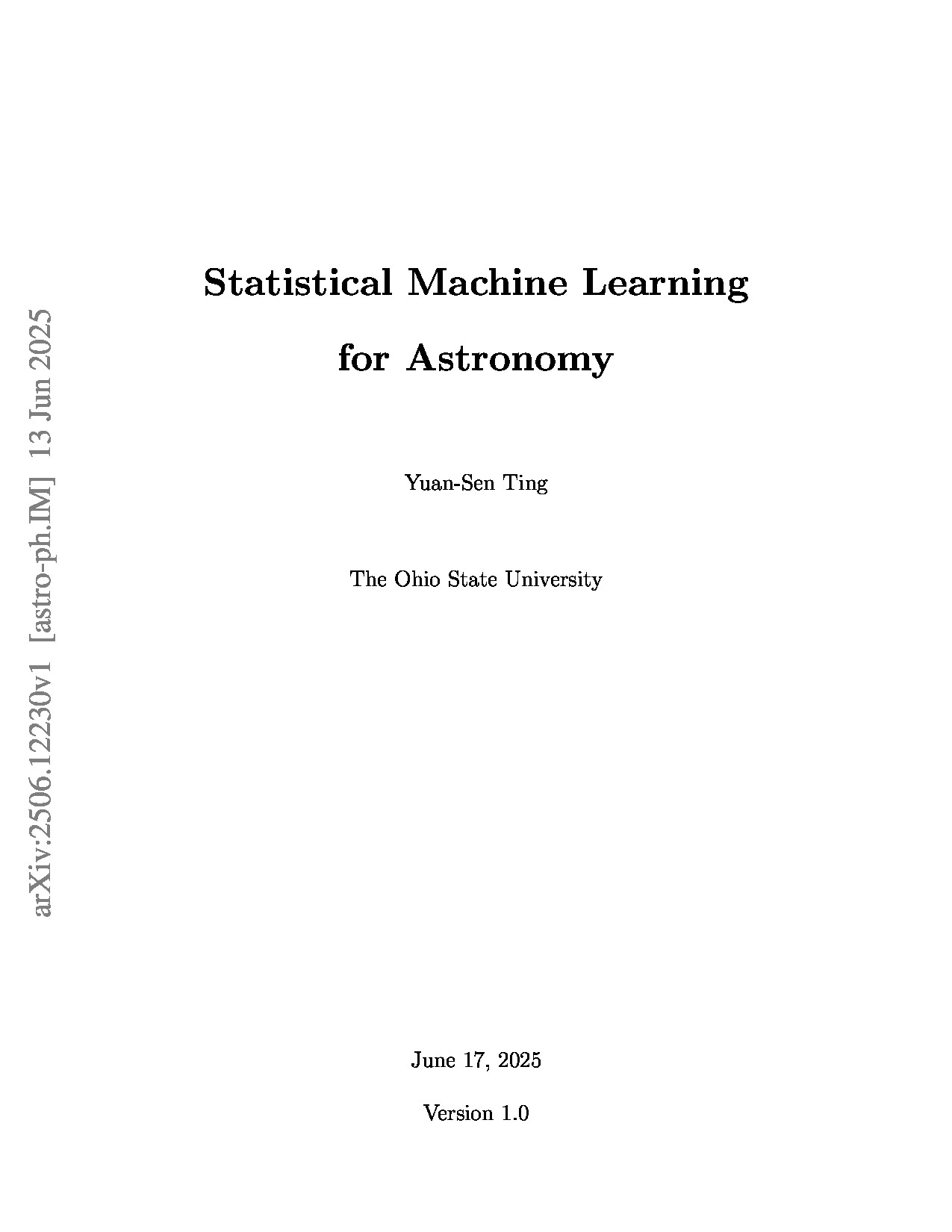
Statistical Machine Learning for Astronomy
A systematic treatment of statistical machine learning for astronomical research through the lens of Bayesian inference. Develops a unified framework connecting modern data analysis techniques with traditional statistical methods, prioritizing uncertainty quantification essential for scientific inference.
Coding Essentials for Astronomers
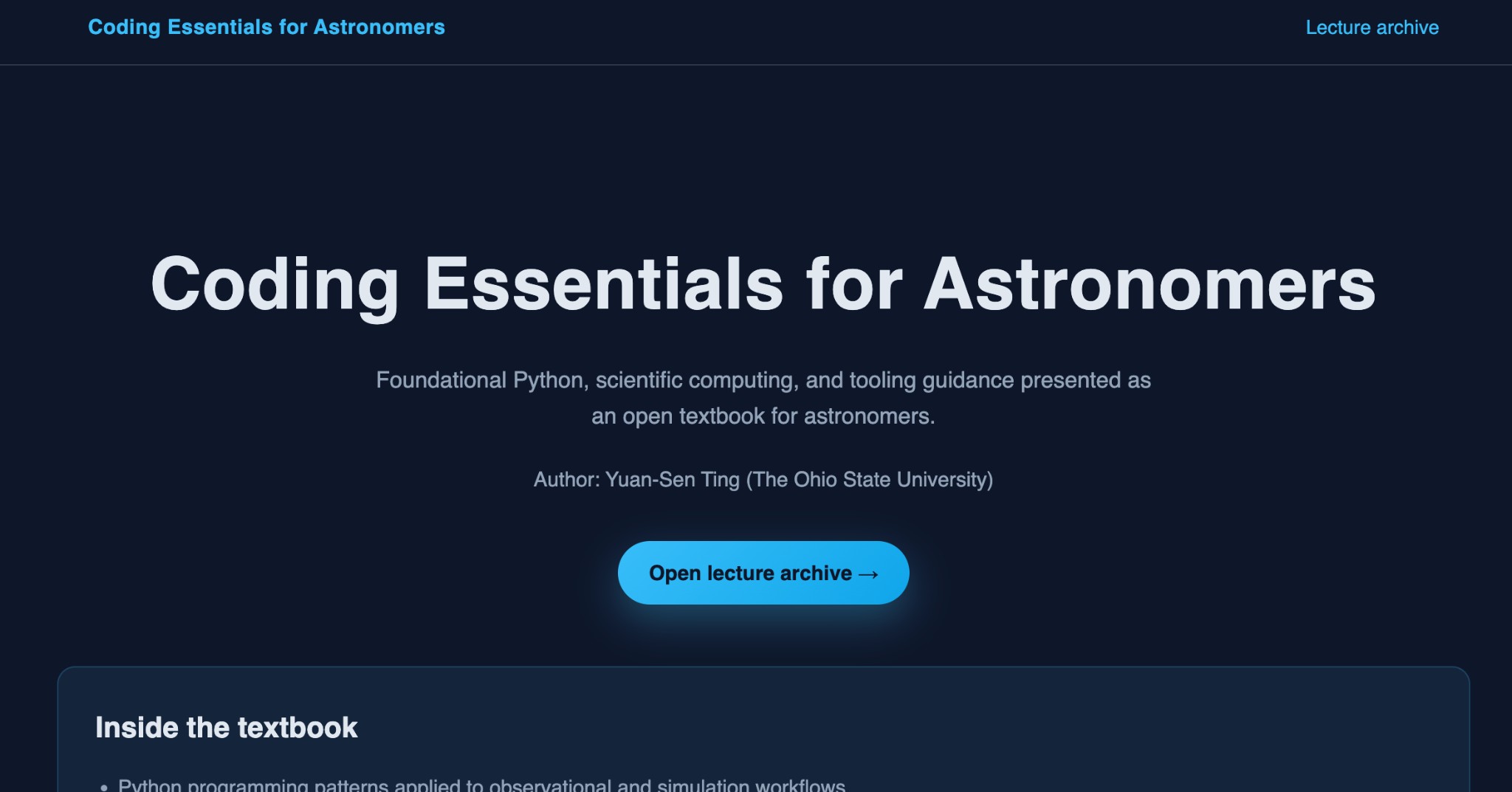
Foundational Python, scientific computing, and modern coding practices. Covers numerical methods, visualization, automation techniques, and best practices for collaboration including version control and human-AI co-development for modern astronomical research.
Colloquia
These talks showcase two key themes in our work: advancing statistical inference through AI, and developing agentic AI systems for scientific discovery at scale.
Agentic AI at Scale
AI for Statistical Inference
Research Group
Public Engagement
Growing up in Malaysia instilled in me a deep belief in the transformative power of education. This drives my commitment to making science accessible—through TED-Ed videos, public talks, and ongoing engagement with communities worldwide.
Educational Animation
How do we study the stars?
0.9M views
How to measure extreme distances
3.6M views
Podcasts
TEDx 启动一刻 Podcast
TEDx Petaling Street 2024
OSU Voices of Excellence
Ohio State University 2025
Public Talks
Seeing Humanity through Dystopian AI
TEDx Petaling Street 2023
[Transcript]How Is AI Changing Science?
OSU Science Sundays 2025
Columns
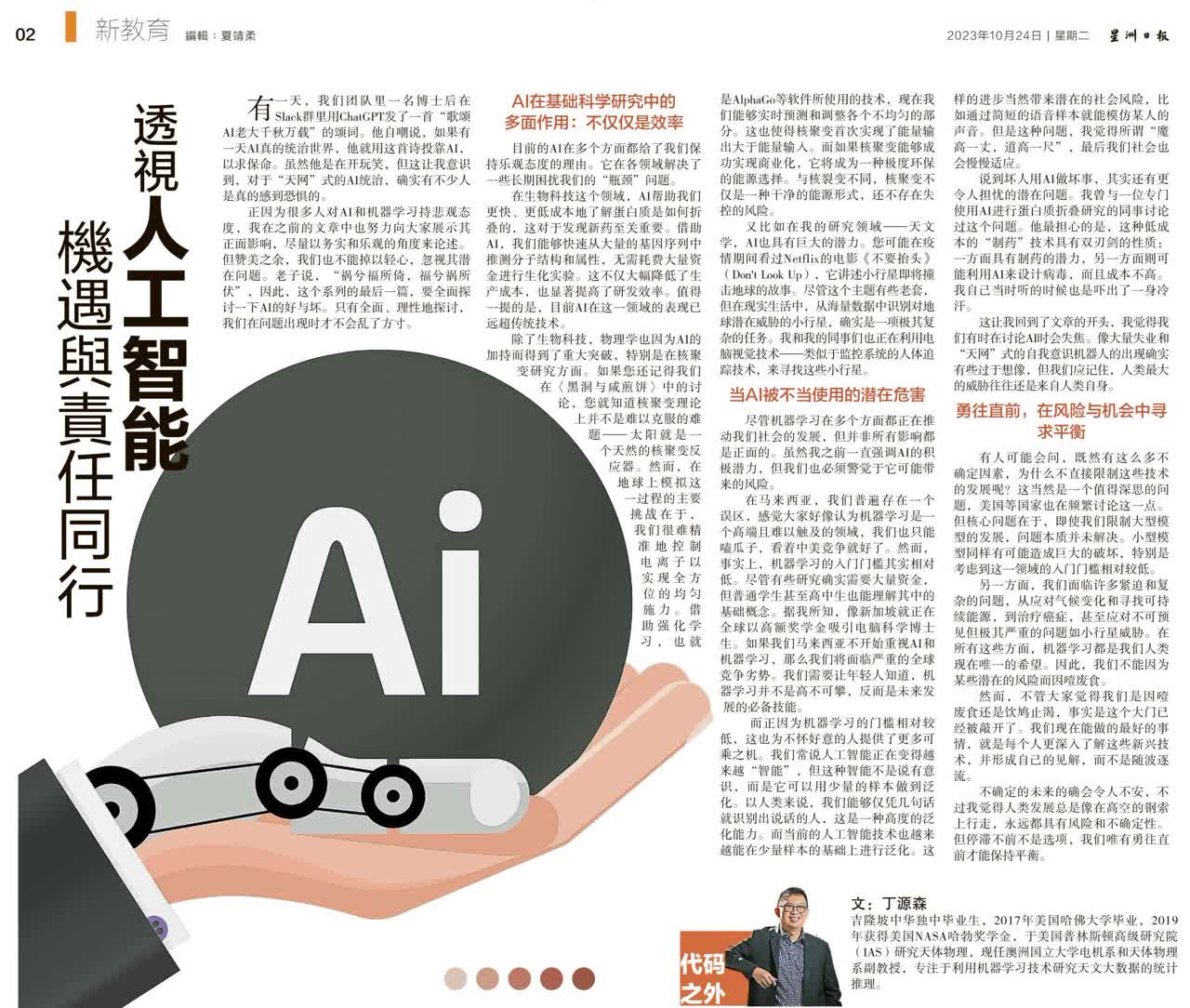
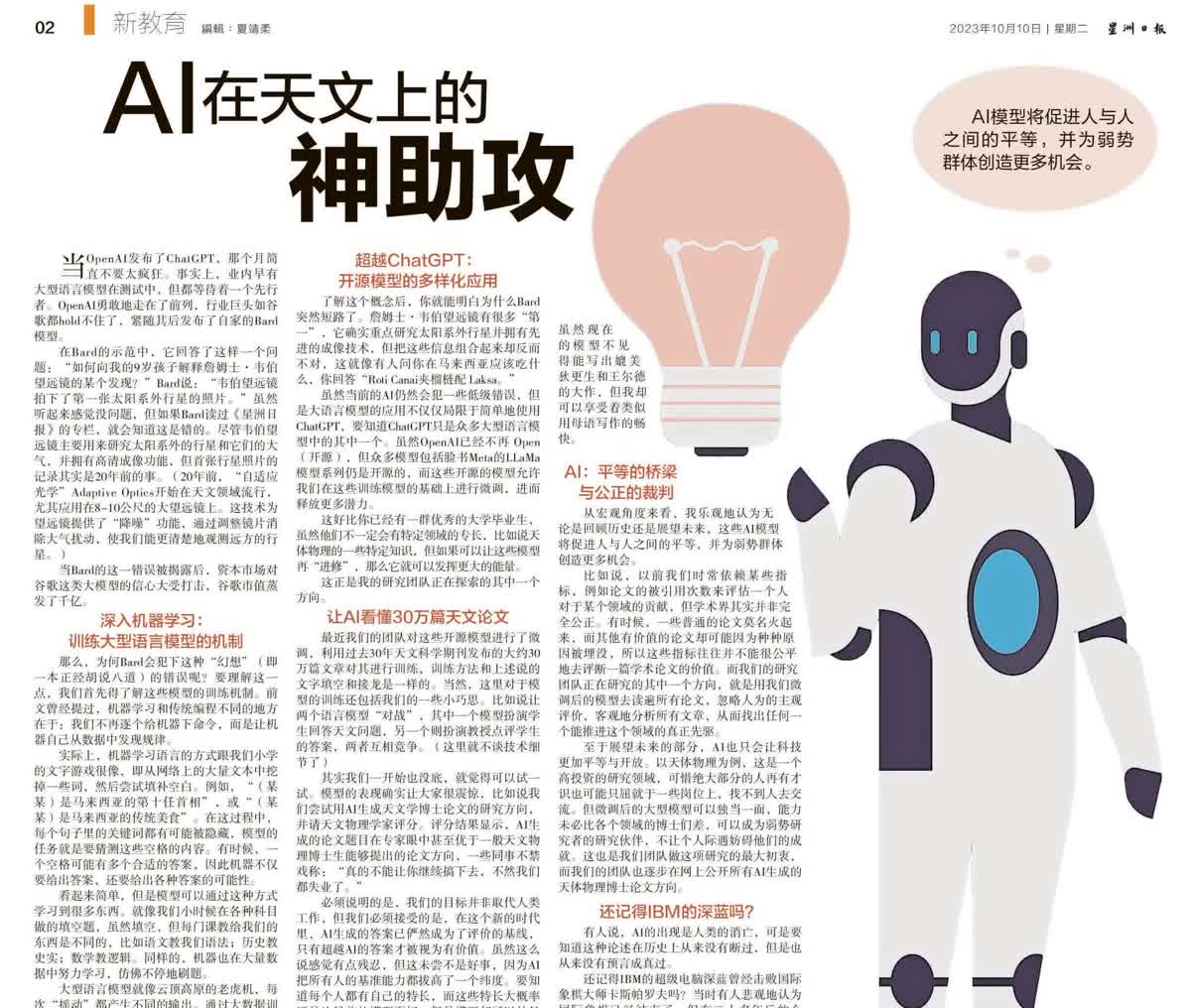
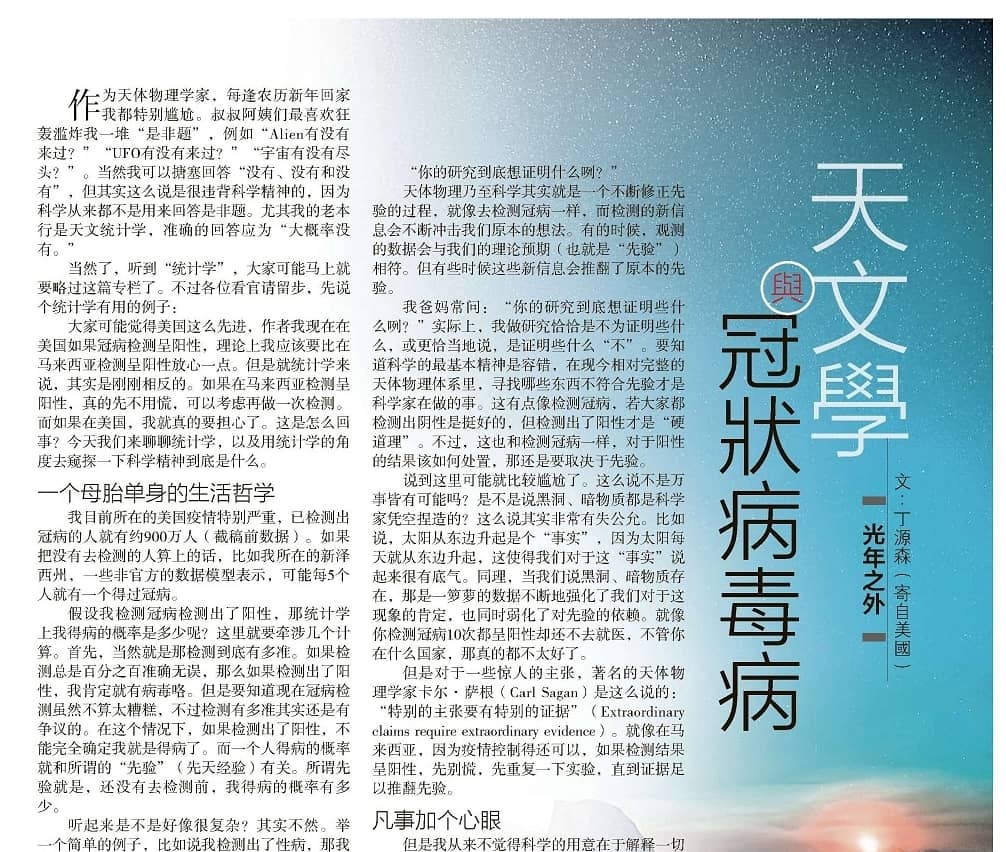
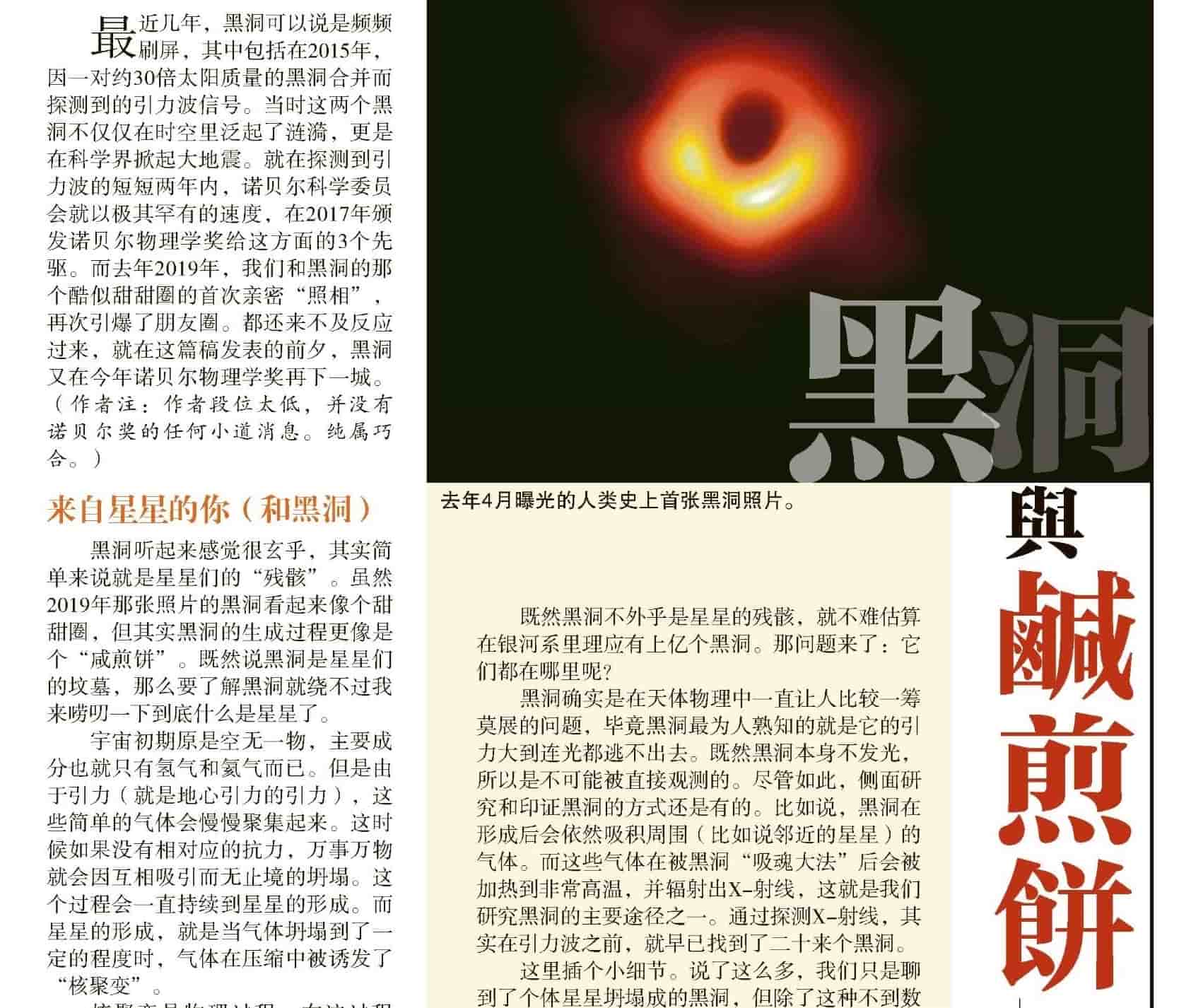
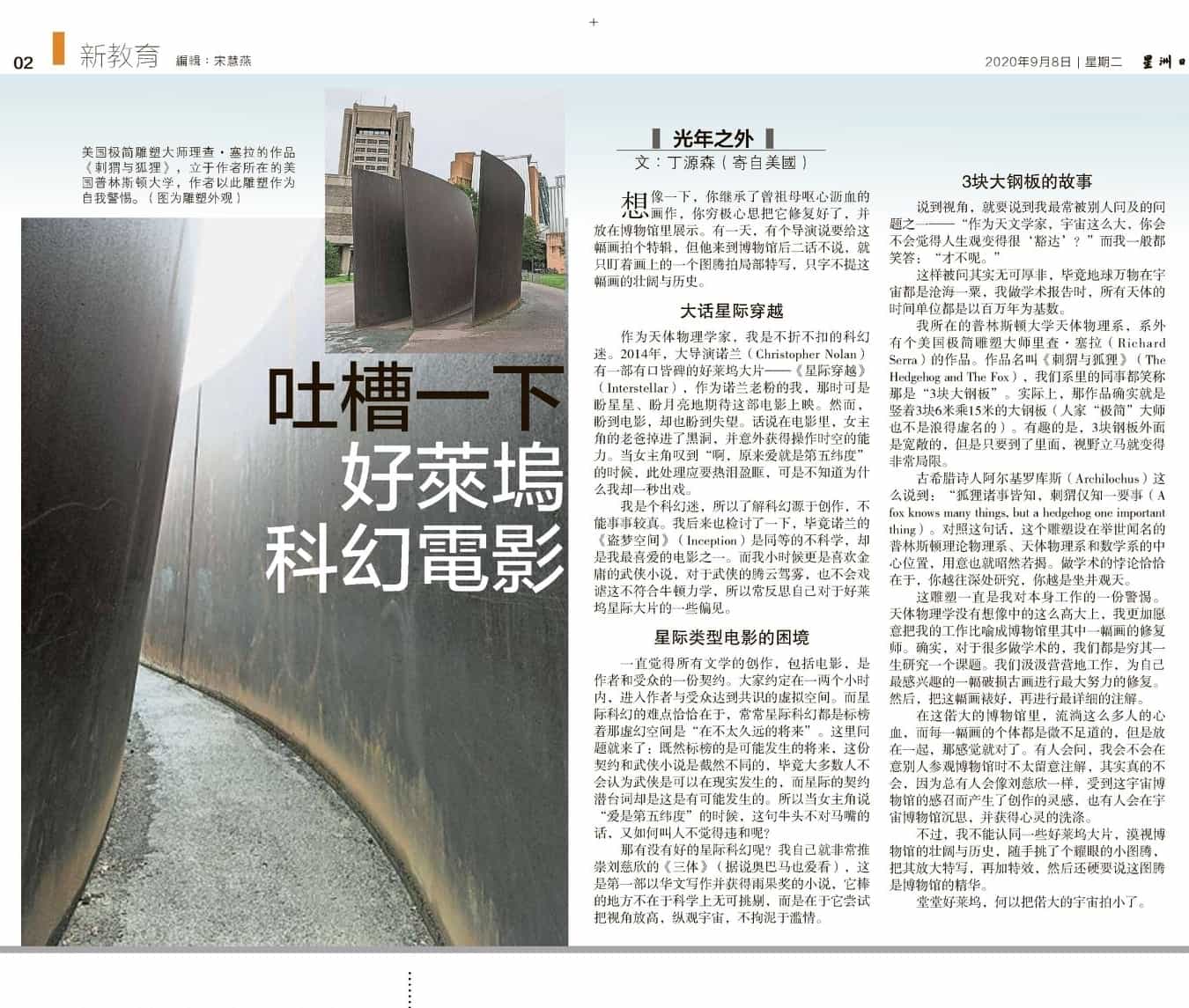
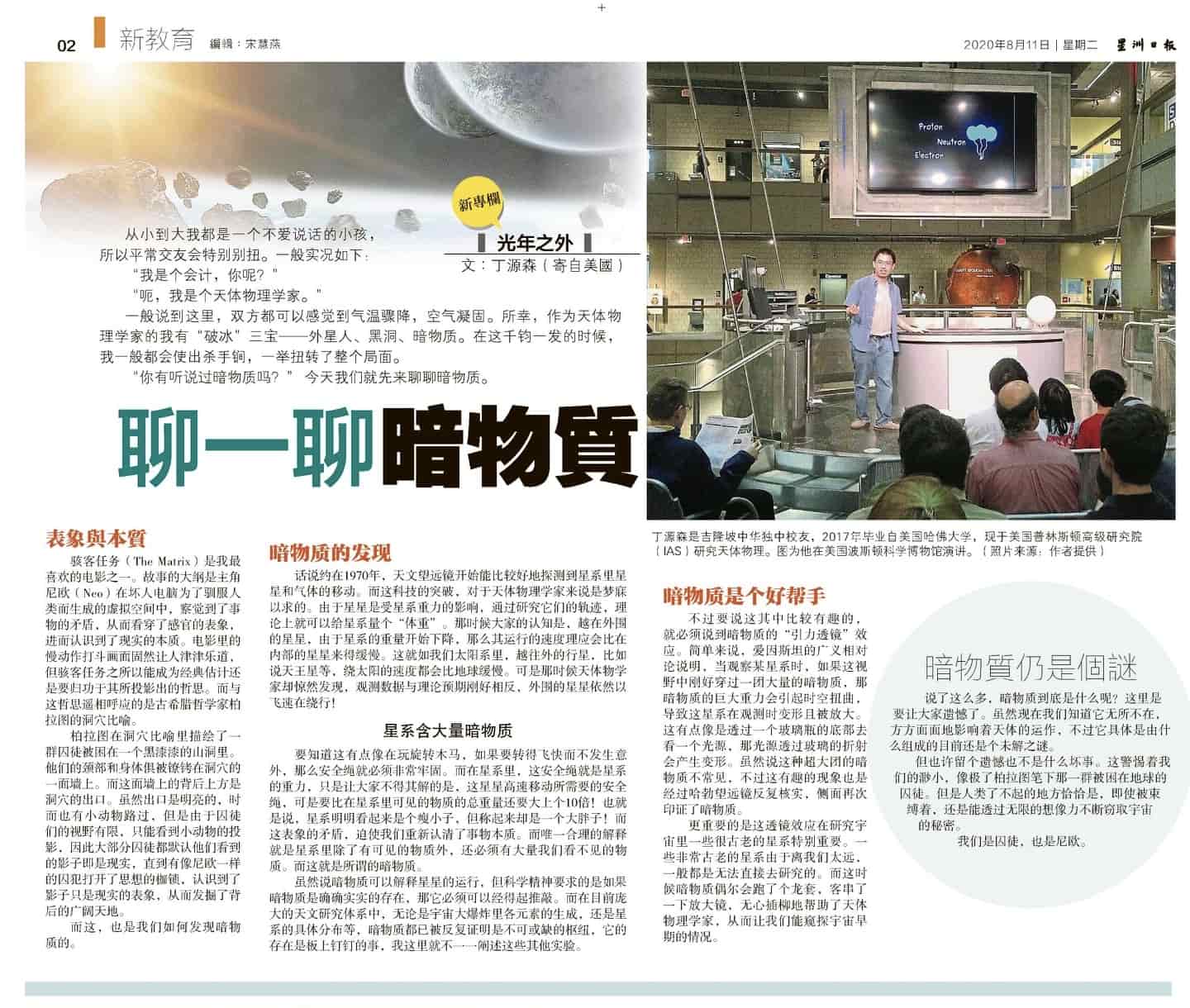
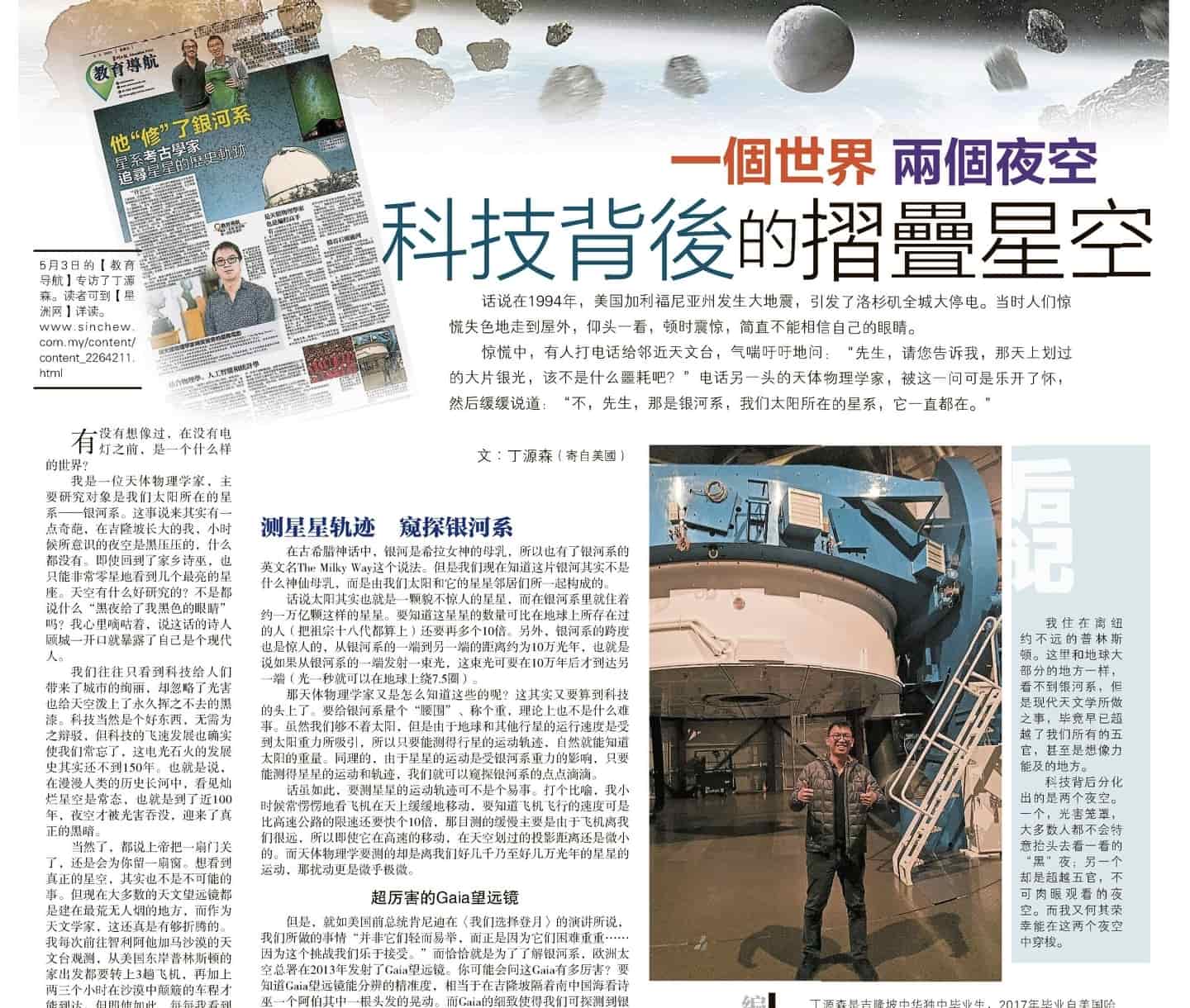
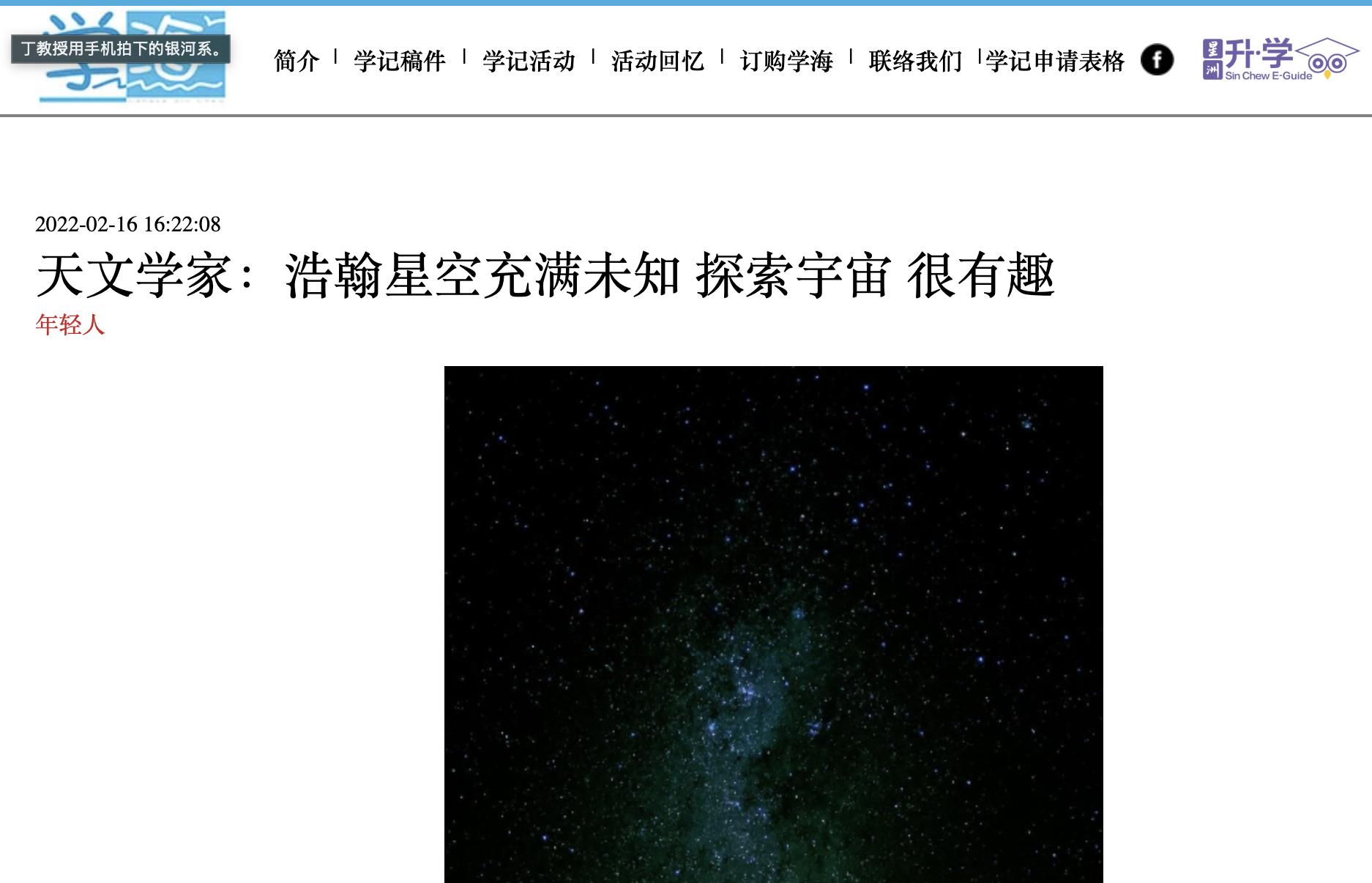
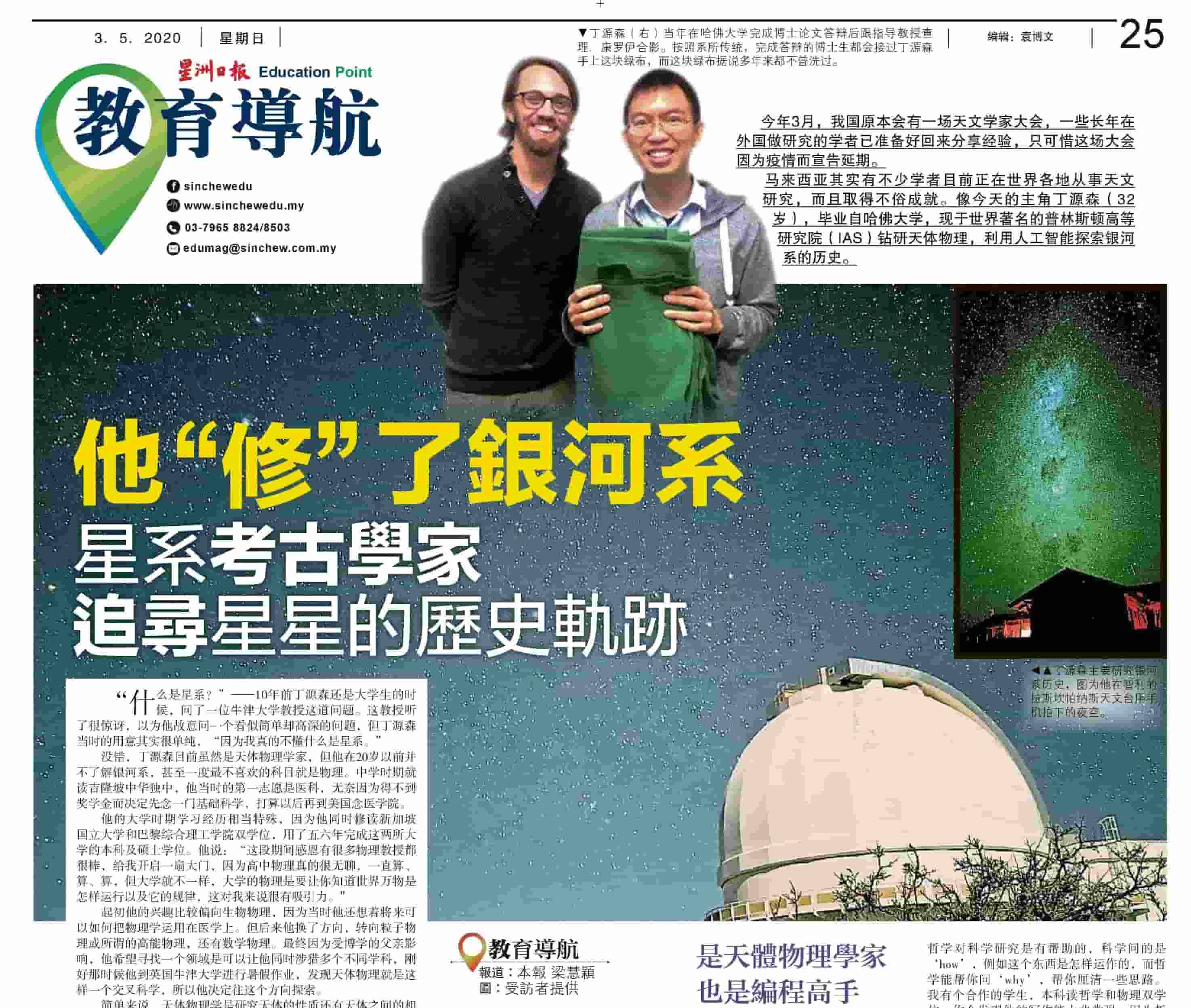
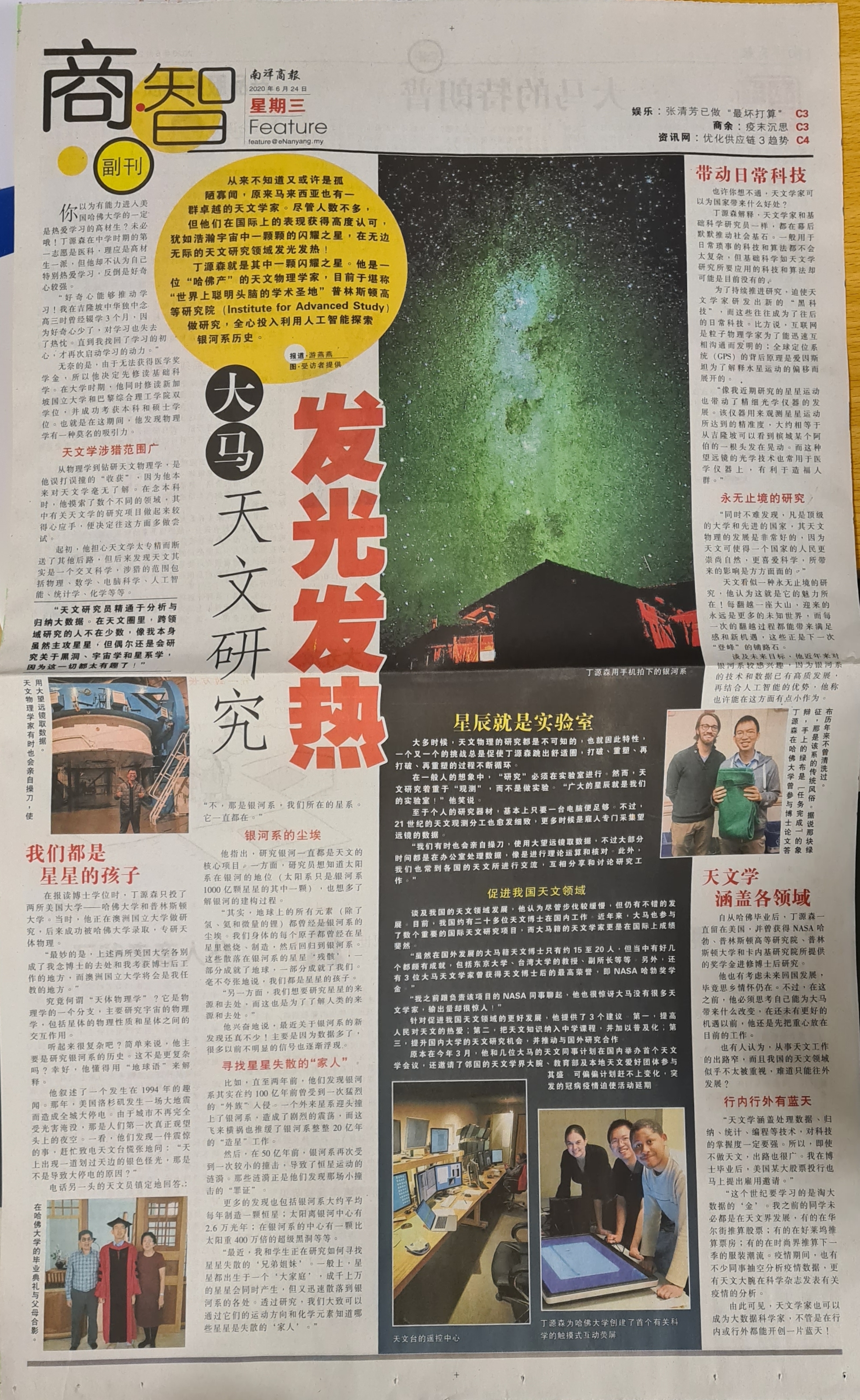
I wrote a monthly column for Sin Chew Daily (星洲日报), the largest Chinese newspaper outside Greater China. These columns explored science, AI, and their broader implications—bringing complex ideas to a general audience of over one million readers.
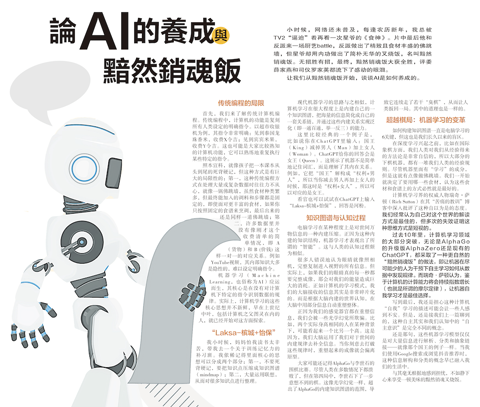
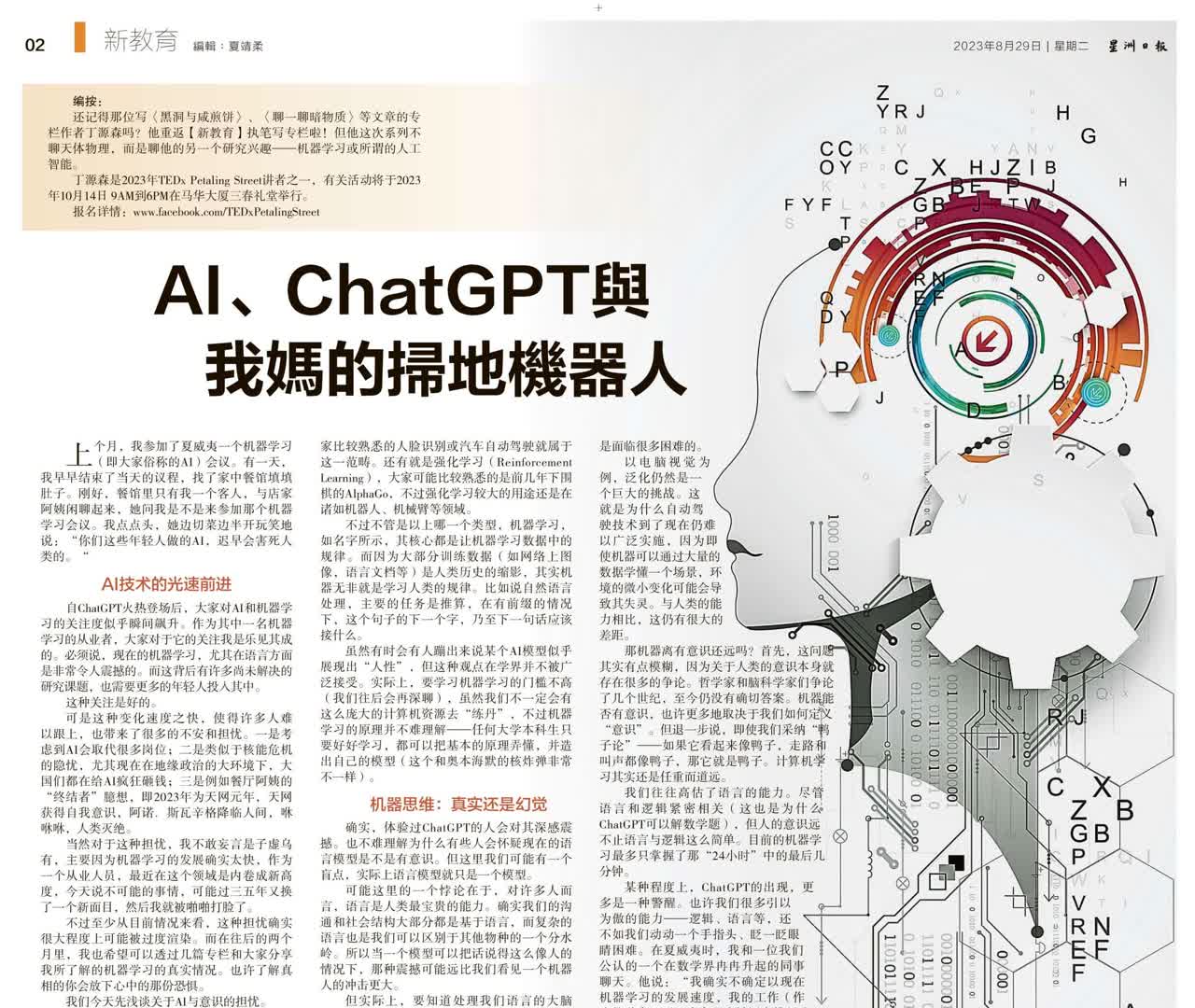
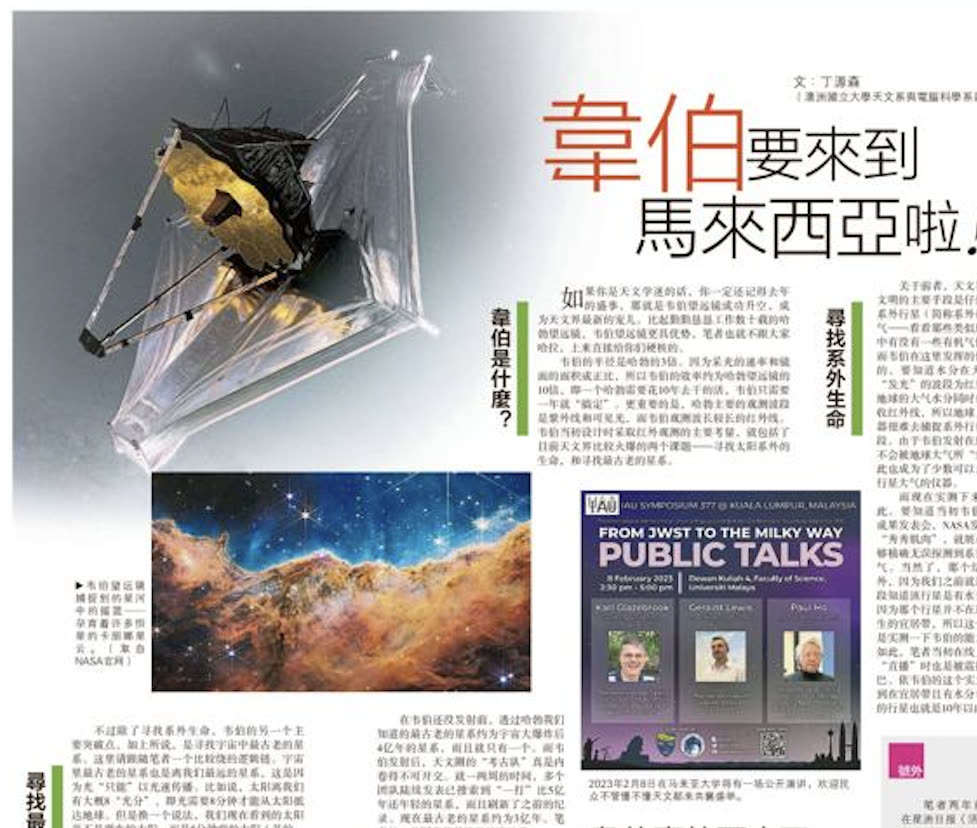
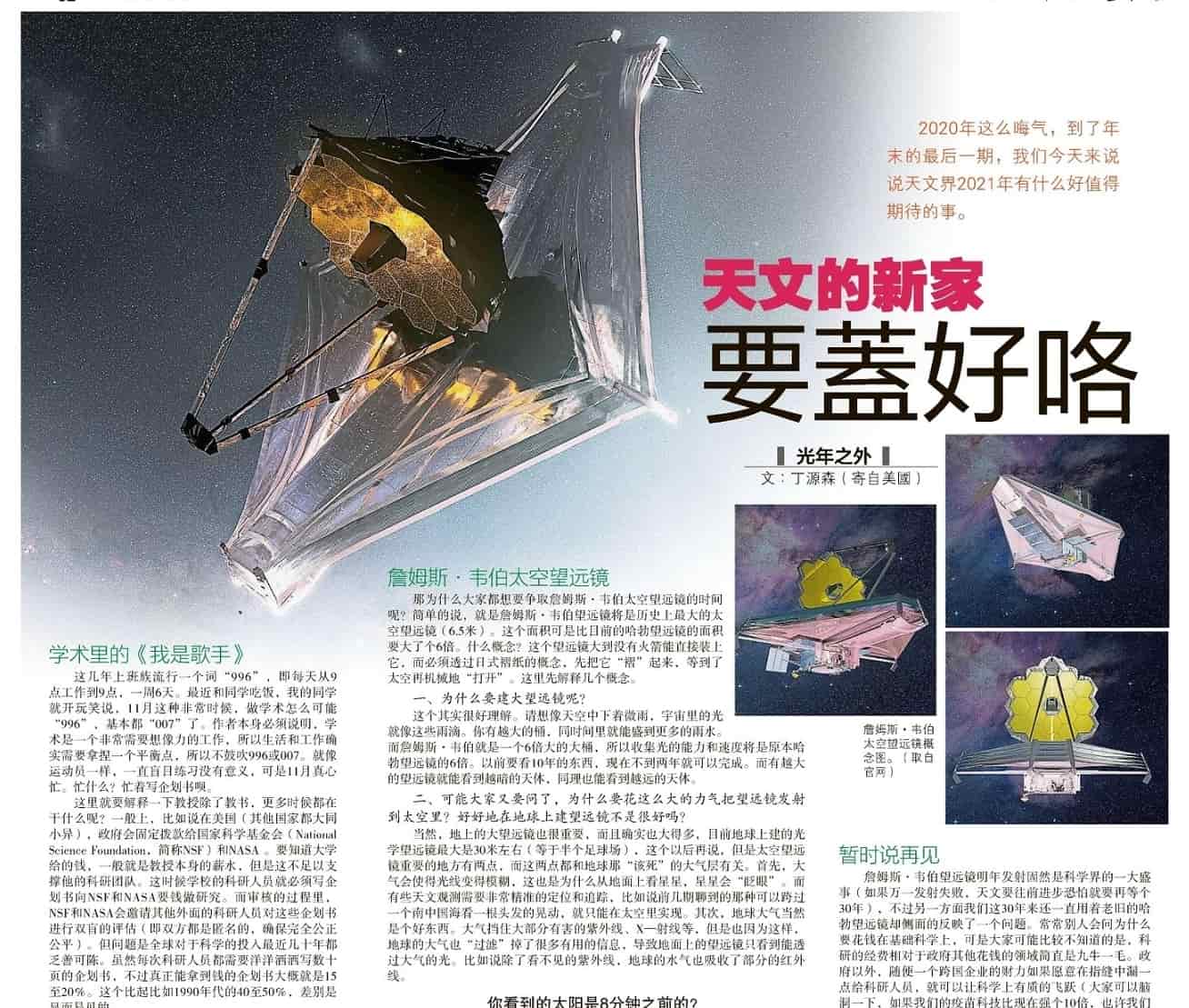
Press Coverage
Selected media coverage and interviews, including features in Nature, Scientific American, and international press.
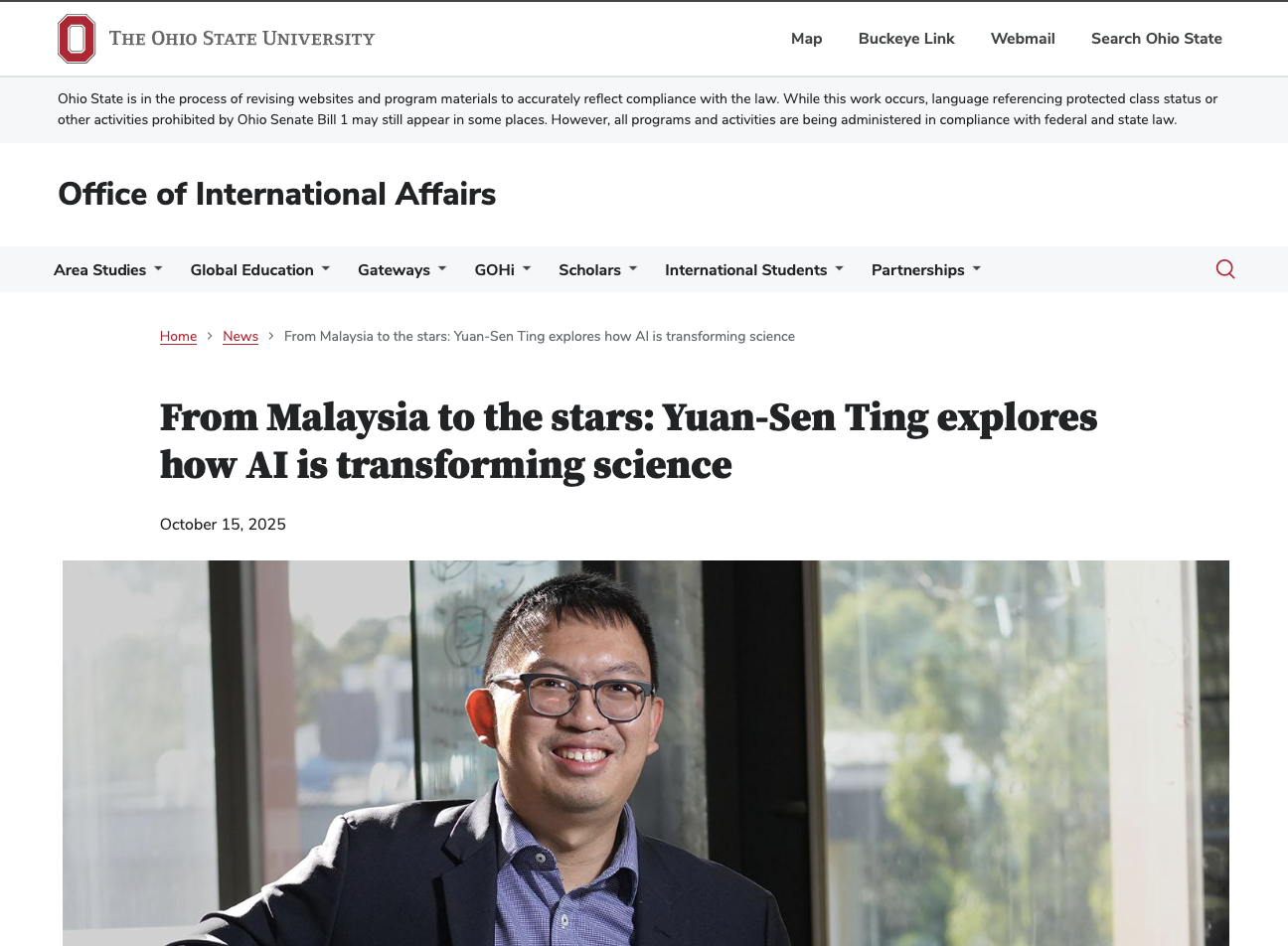
From Malaysia to the Stars: How AI Is Transforming Science
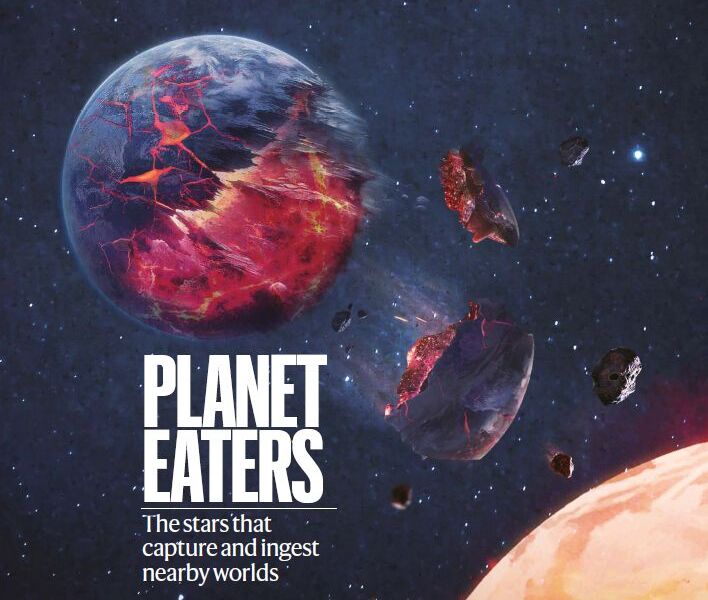
At Least One in a Dozen Stars Shows Evidence of Planetary Ingestion
Planet Cannibalism is Common, Says Cosmic 'Twin Study'
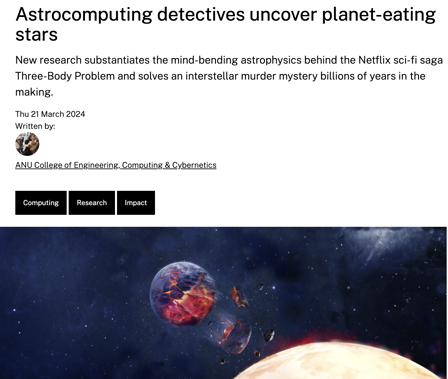
Astrocomputing Detectives Uncover Planet-Eating Stars
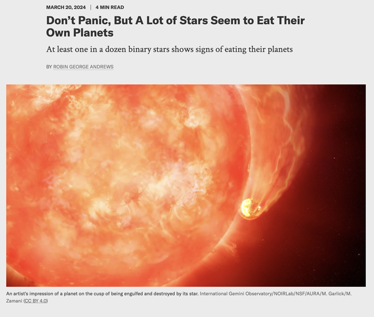
Don't Panic, But A Lot of Stars Seem to Eat Their Own Planets
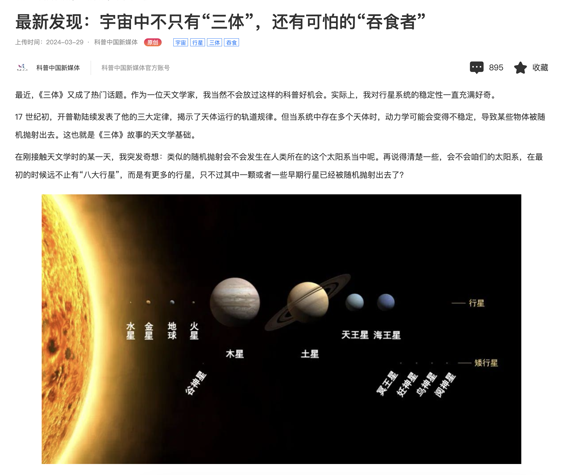
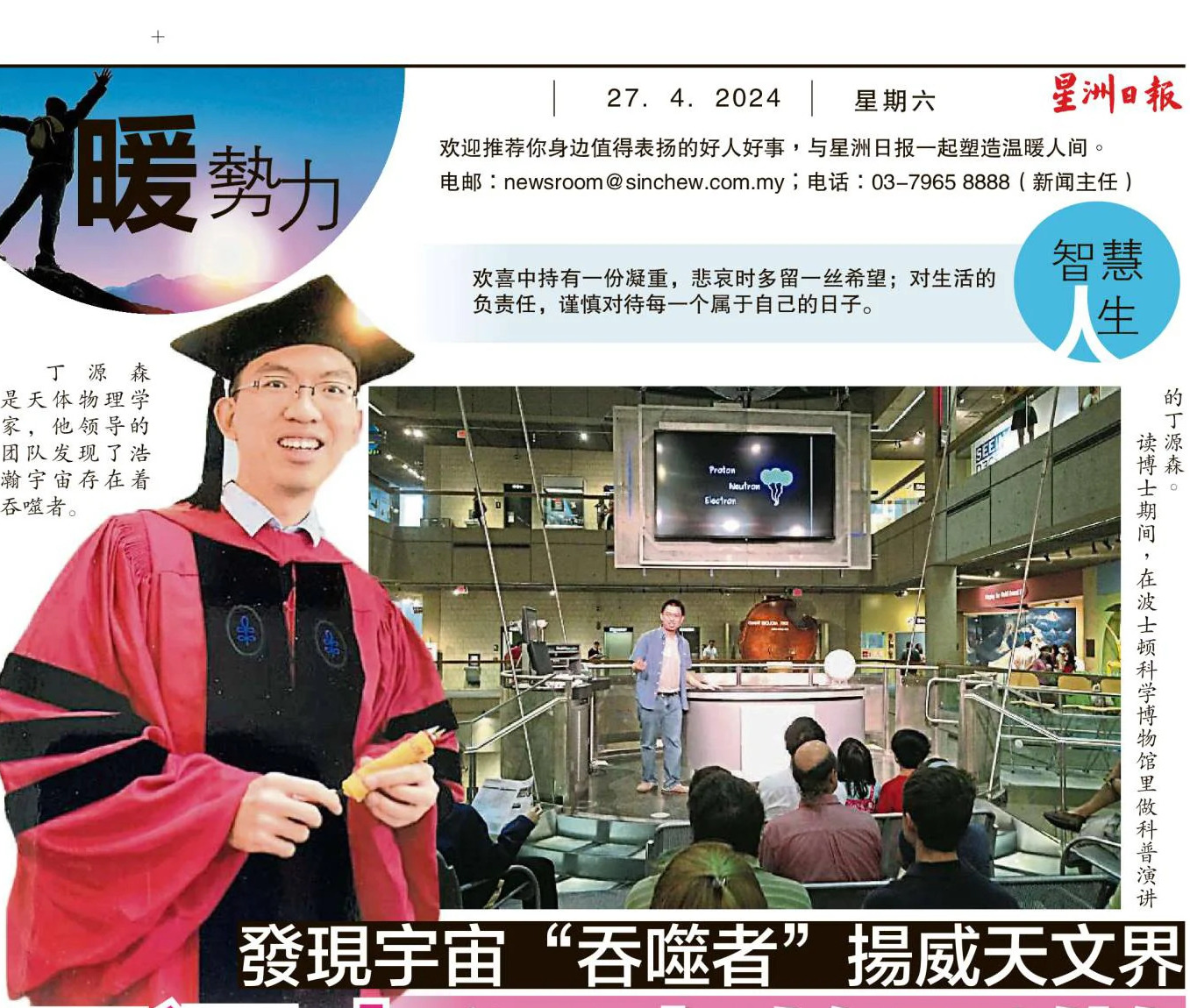
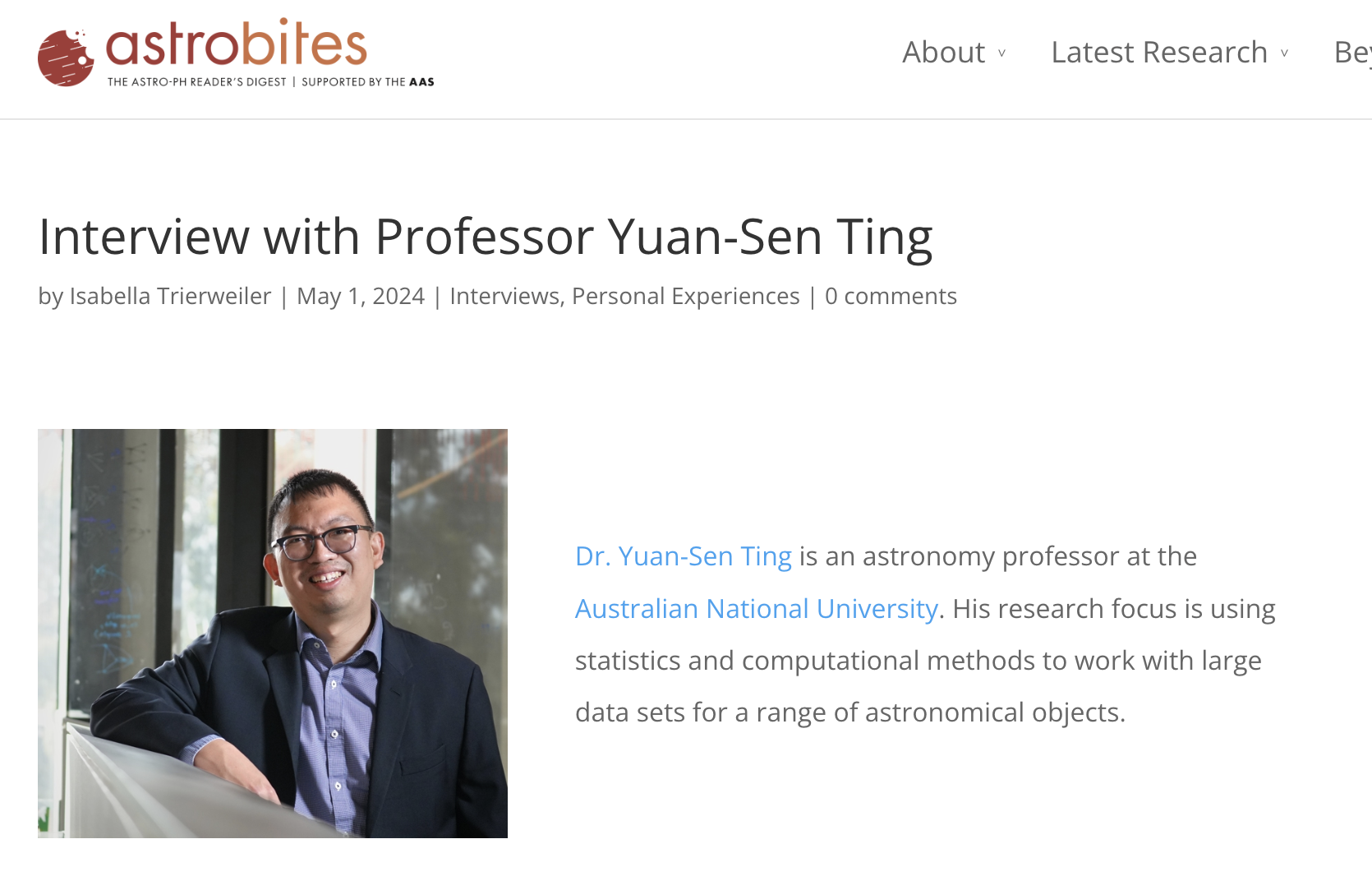
Interview with Professor Yuan-Sen Ting
Professional Appointments
Education
Accolades